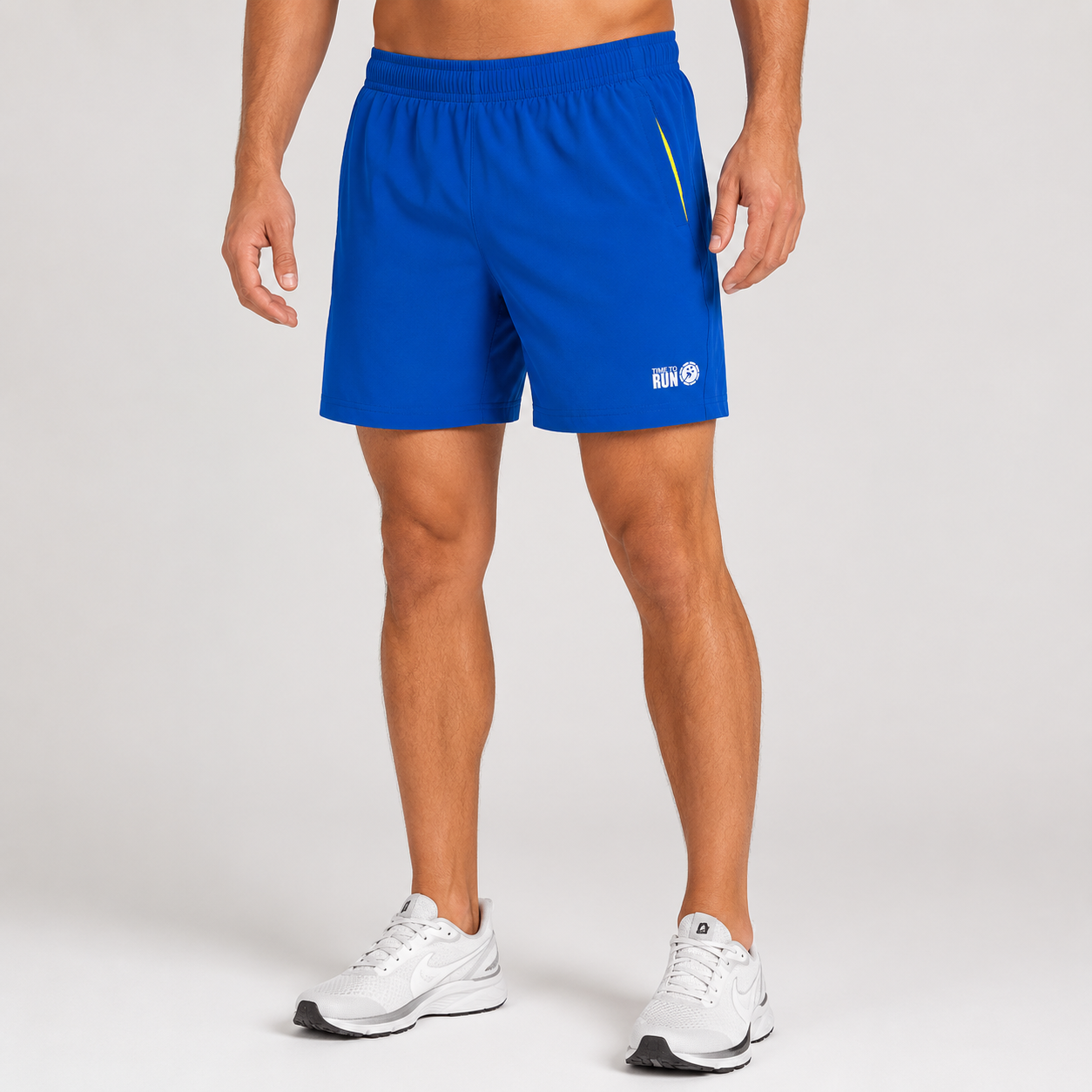
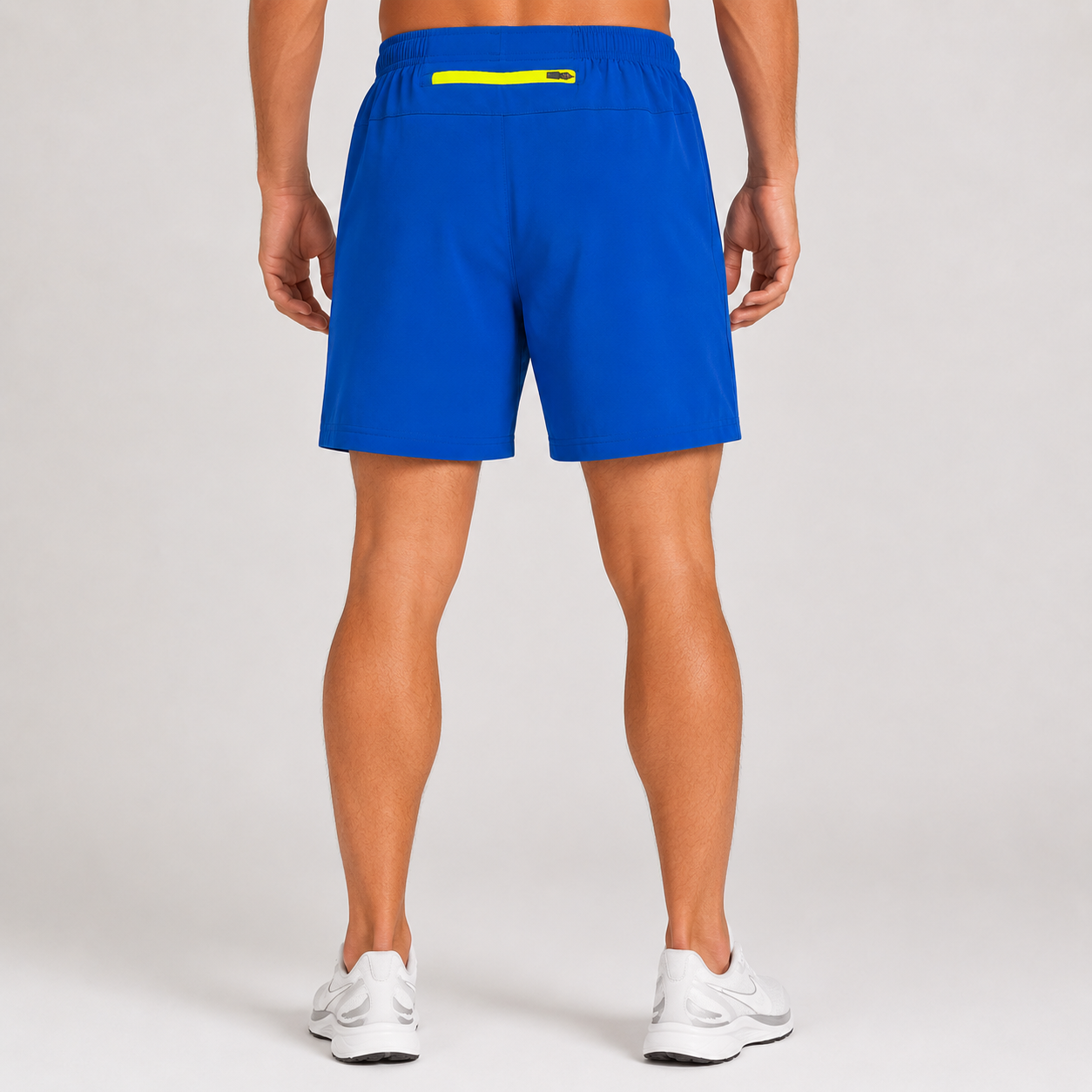
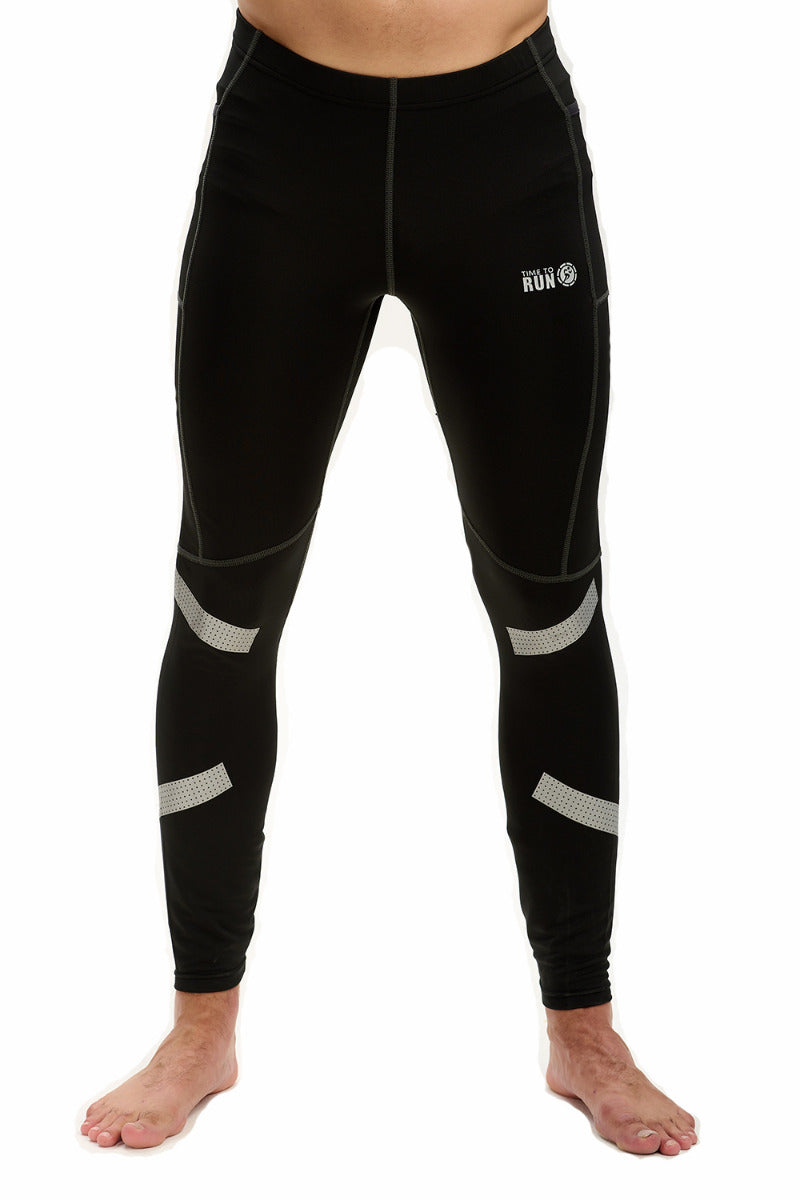
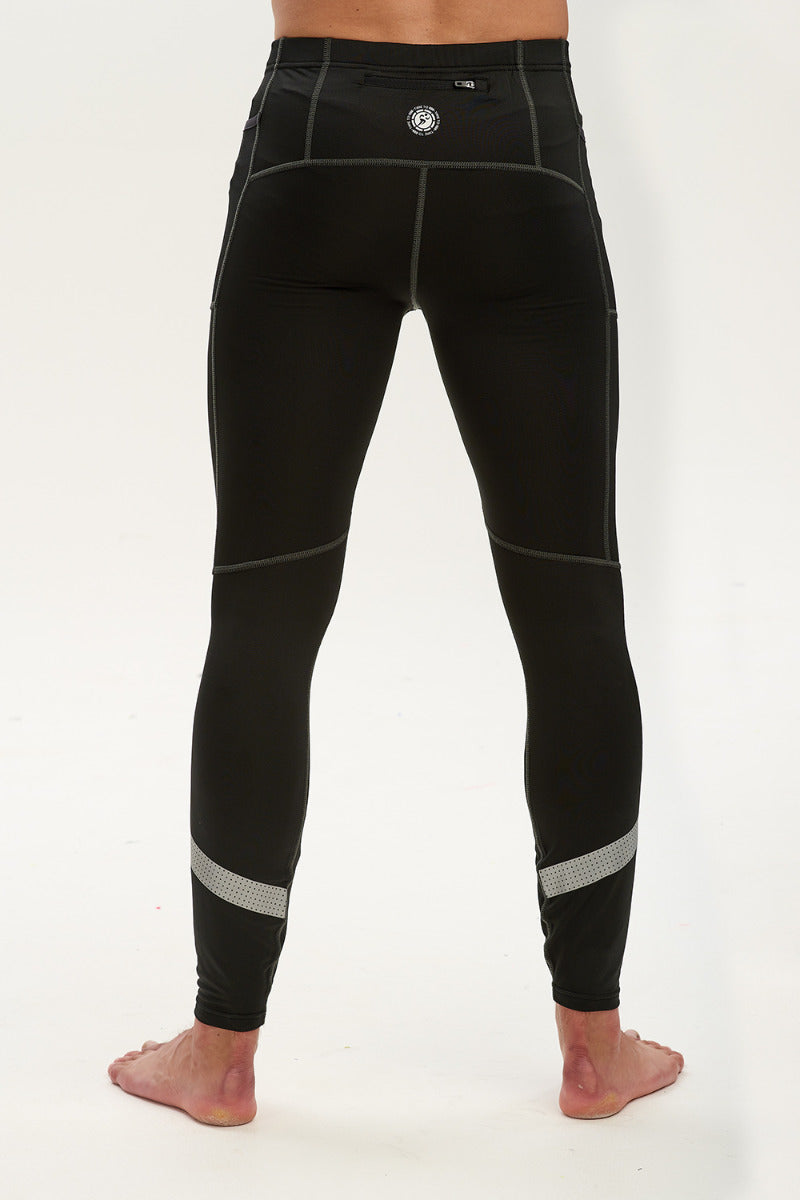
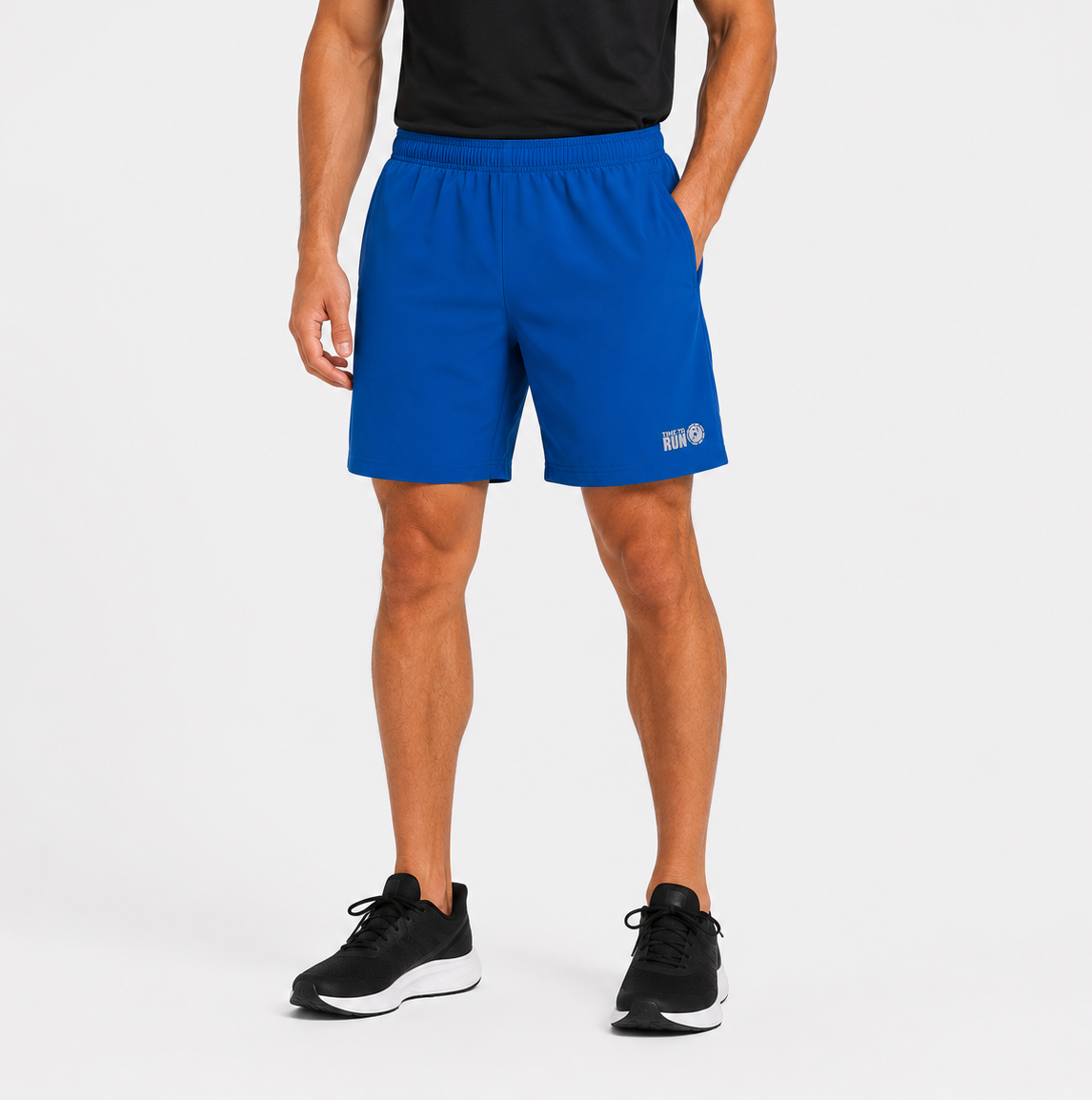
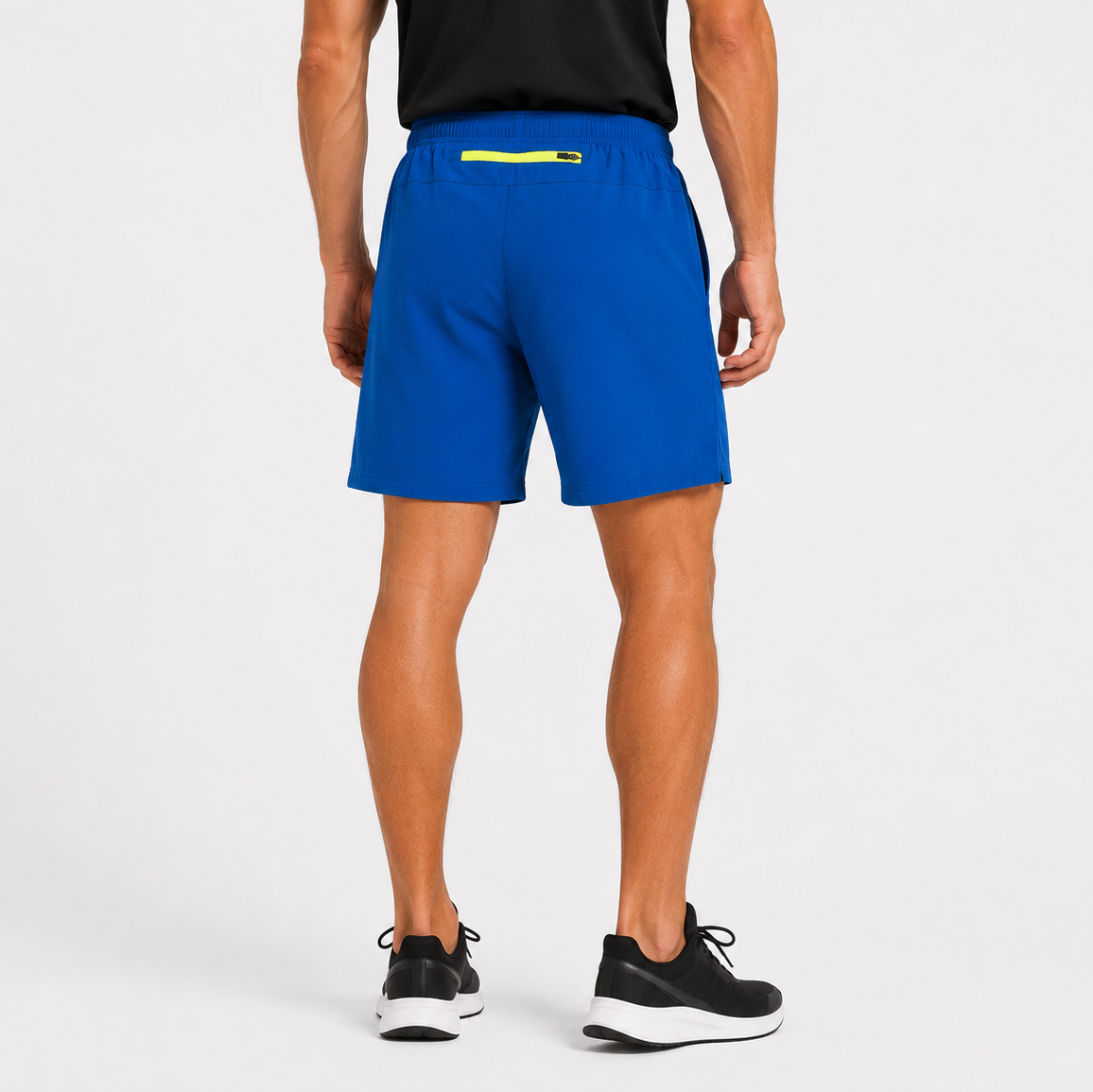
Finding the perfect pair of men’s running shorts can transform your training. Whether you are preparing for a marathon, building your fitness on local trails, or aiming to run more comfortably during the week, the right shorts make a huge difference. Quality running shorts provide support, breathability, freedom of movement and lightweight performance. This guide breaks down everything you need to know before choosing the best option for your routine.
Why Men’s Running Shorts Matter
Running is a high impact activity that puts repeated stress on your body. Clothing that restricts movement, holds moisture or rubs against the skin can cause discomfort and even injury. Men’s running shorts are designed to reduce friction, keep you dry and allow your stride to feel natural. High performing fabrics and construction details give you the confidence to run longer and recover quicker.
Modern running shorts use moisture wicking fabrics to pull sweat away from your skin. This helps regulate temperature and prevents chafing. Many options also include lightweight mesh panels that increase airflow. Combined, these features help maintain comfort across long distances and changeable weather conditions. The ideal running shorts move with you rather than against you.
Key Features to Look For
Choosing the right pair depends on your running style, goals and comfort preferences. Here are the most important features to consider.
Length
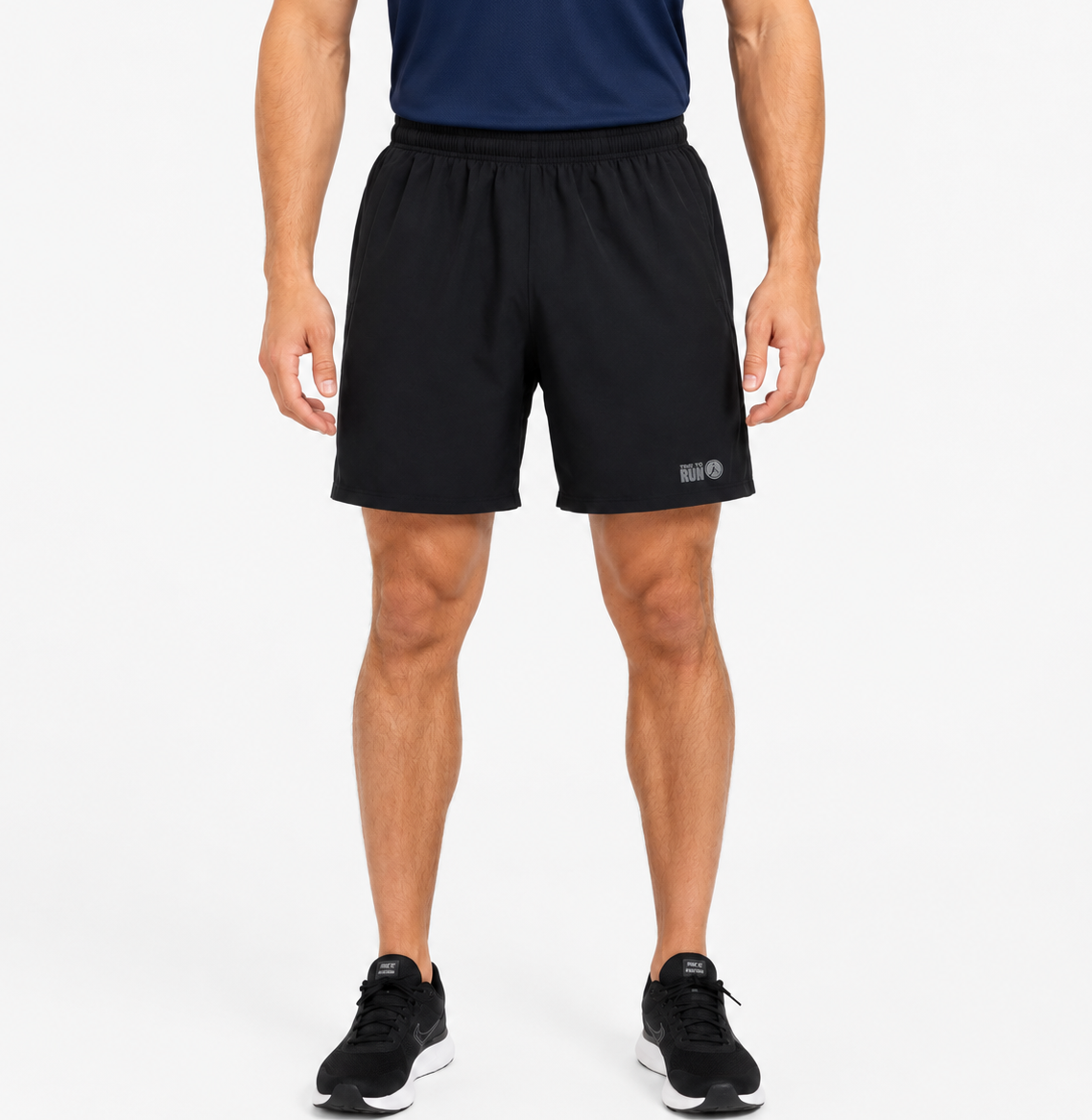
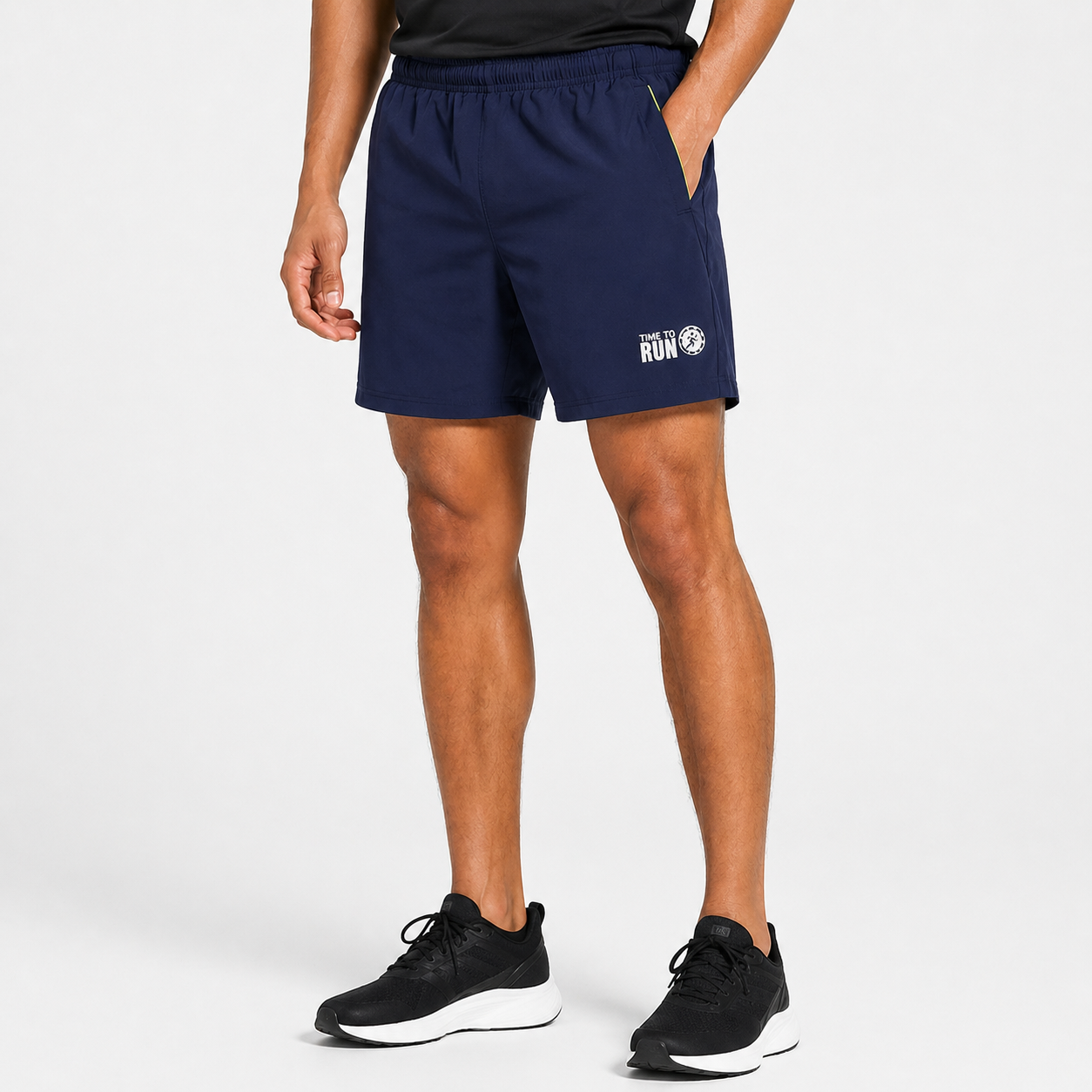
Men’s running shorts generally range from 3 inches to 9 inches. Shorter lengths are popular among experienced runners who want complete freedom of movement. Mid length shorts, typically around 5 inches, provide a balance of coverage and mobility. Longer lengths offer more modesty and are better for mixed training sessions that include gym work or stretching. The ideal length comes down to personal preference, although many runners choose mid length for everyday sessions.
Fabric
The best running shorts are made with lightweight synthetic fabrics such as polyester or nylon blends. These materials are durable and excellent at wicking moisture. Look for a soft and smooth interior to minimise friction. Mesh panels or perforated zones help with breathability. Fabrics with a slight stretch improve movement and offer a more secure fit during faster runs or hill training.
Liner
Many men’s running shorts come with an integrated liner that replaces the need for separate underwear. A high quality liner supports the muscles and reduces friction around sensitive areas. Some runners prefer shorts without a liner so they can choose their own compression base layer. Both options work well. It simply depends on what makes you feel most comfortable during your run.
Waistband
A good waistband should be soft, secure and adjustable. Elastic waistbands with internal drawcords are standard. They help the shorts stay in place during sprints or longer distances. Avoid waistbands that feel stiff or bulky. Comfort around the waist is essential because even small irritations can become distracting when you are several miles from home
Pockets
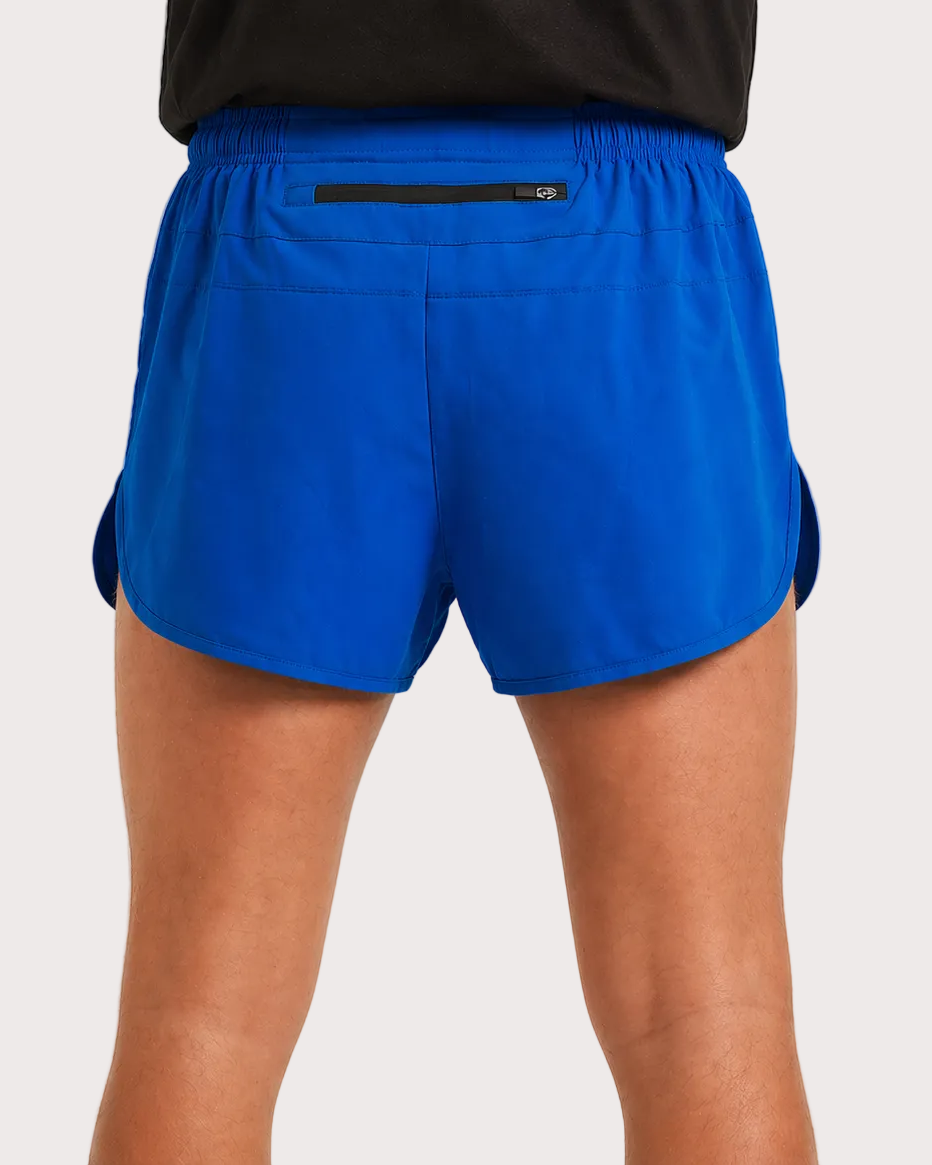
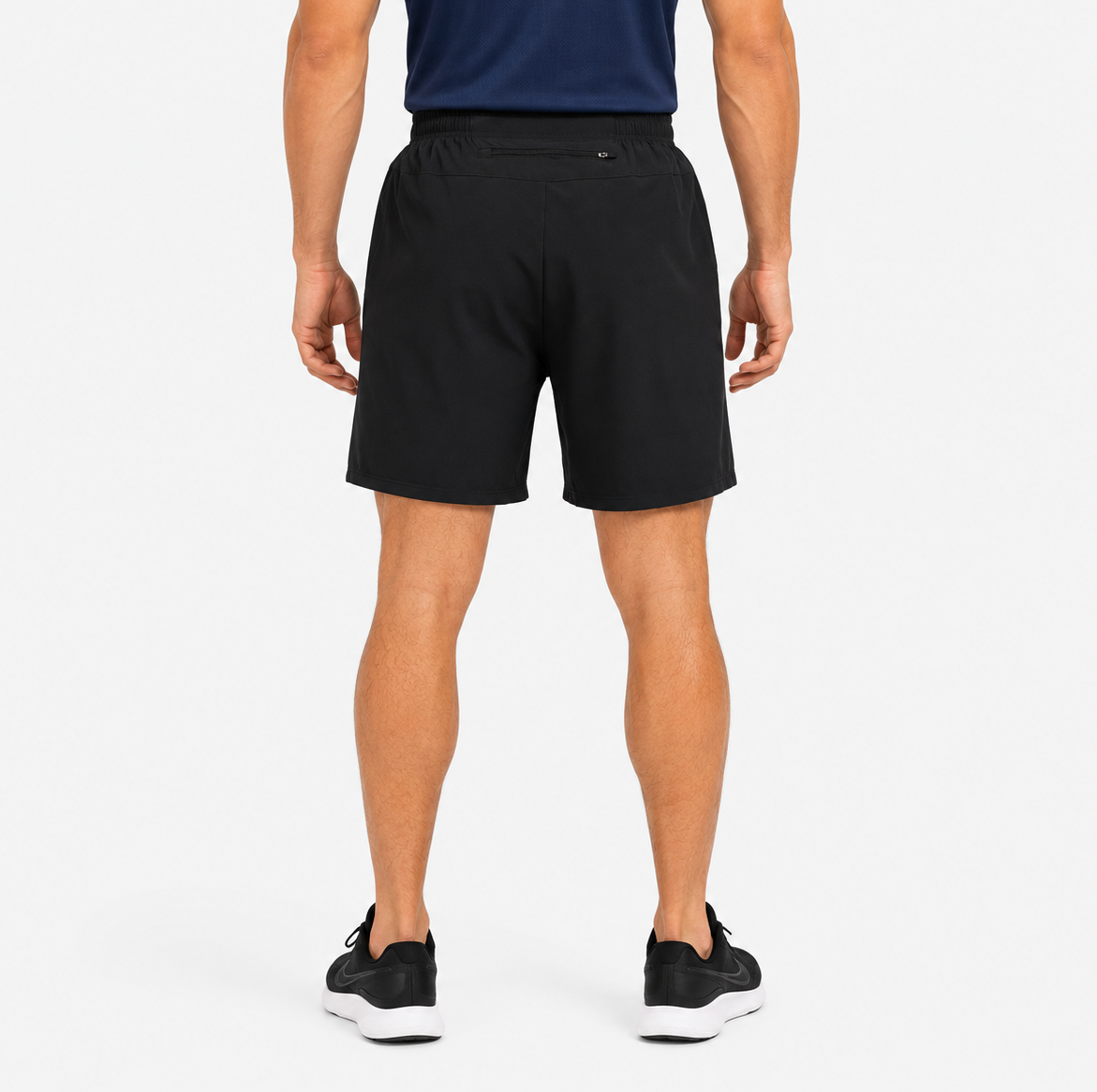
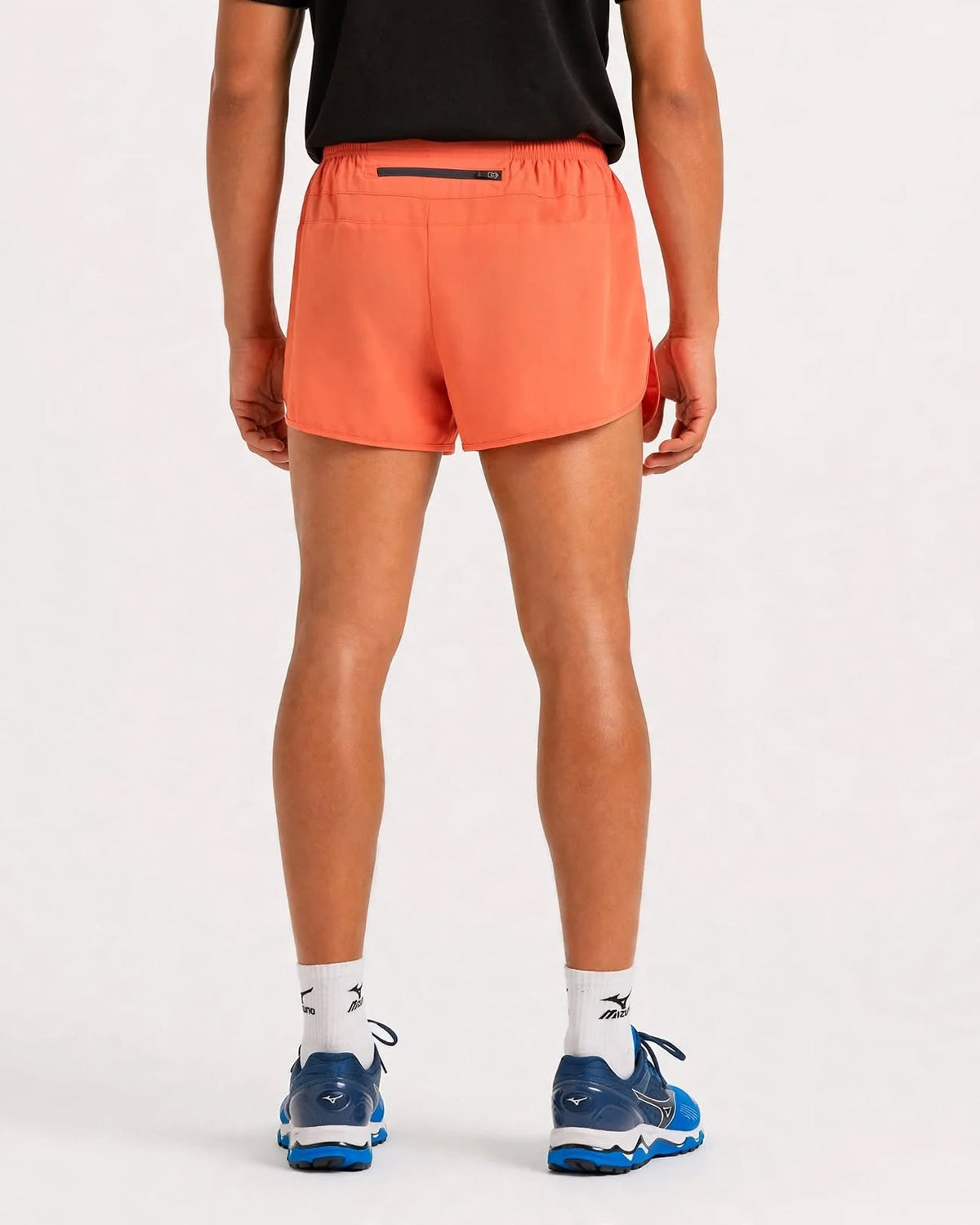
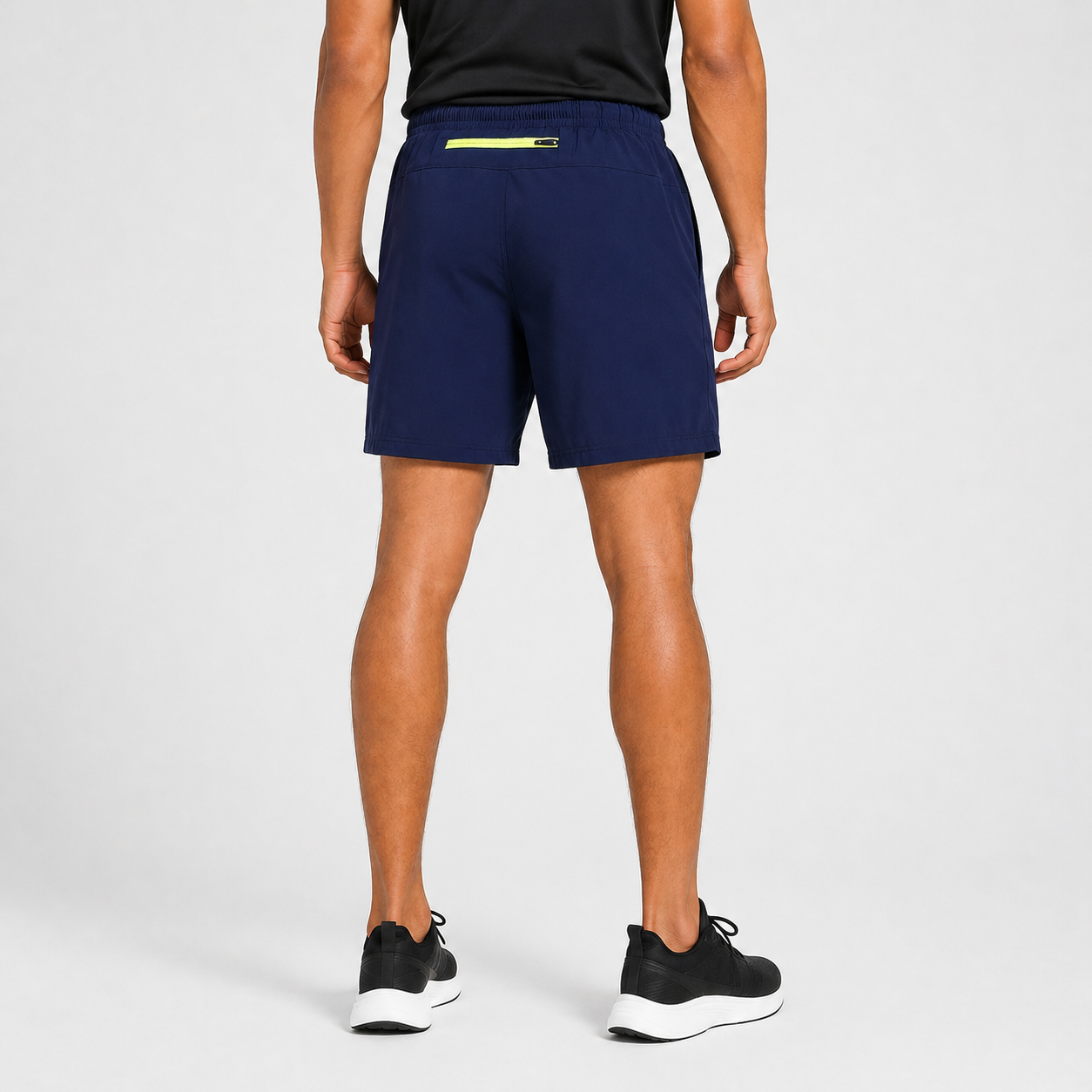
Think about how much storage you need. Some running shorts include zip pockets for keys, cards or energy gels. Others include a rear pocket designed to hold a phone securely. If you do not like carrying weight in your shorts, choose a minimal design with smaller pockets. Storage is a personal choice and depends on whether you prefer to run hands free or carry essential items.
Types of Men’s Running Shorts
Running shorts come in a few distinct categories, each built for different training styles.
Split Shorts
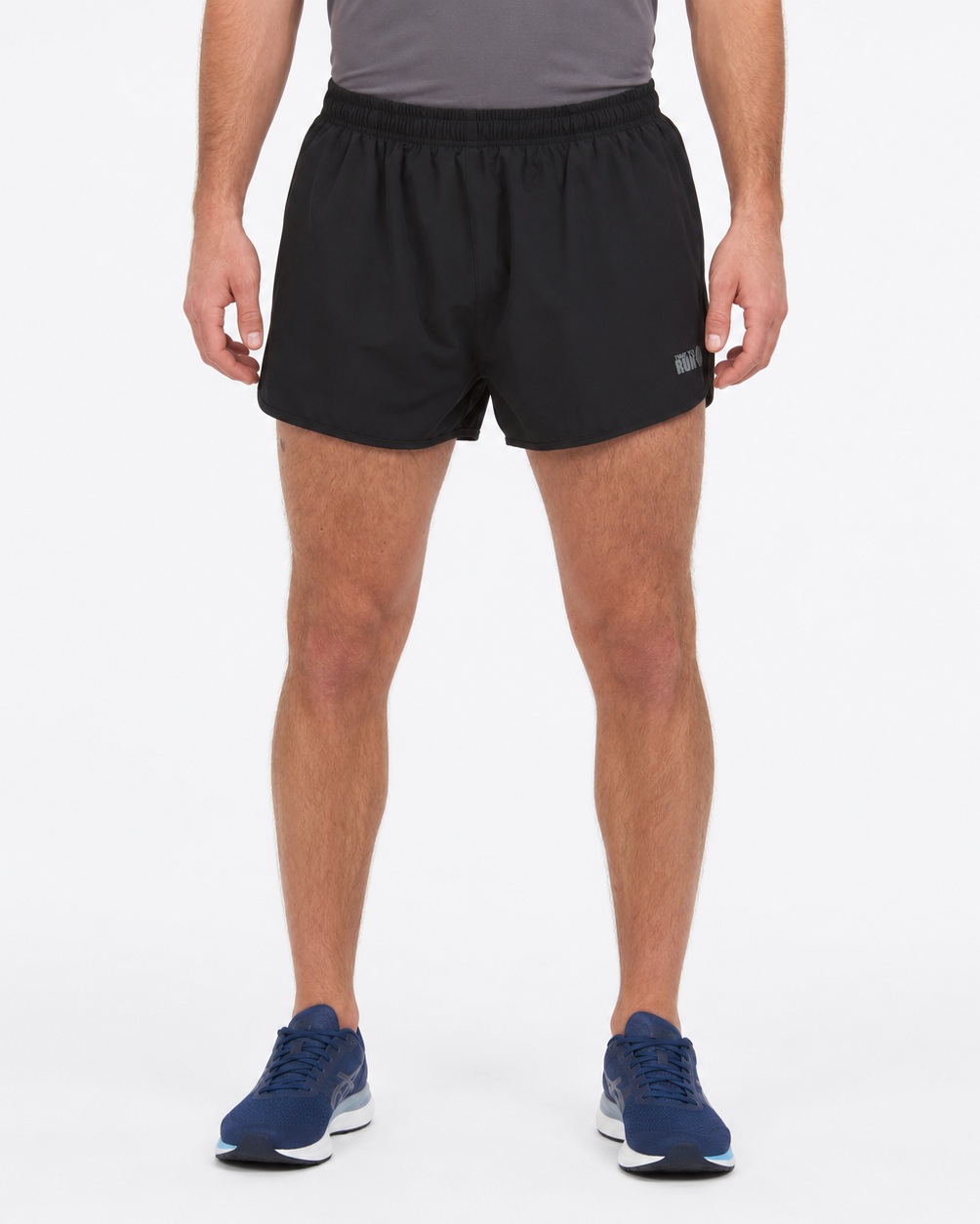
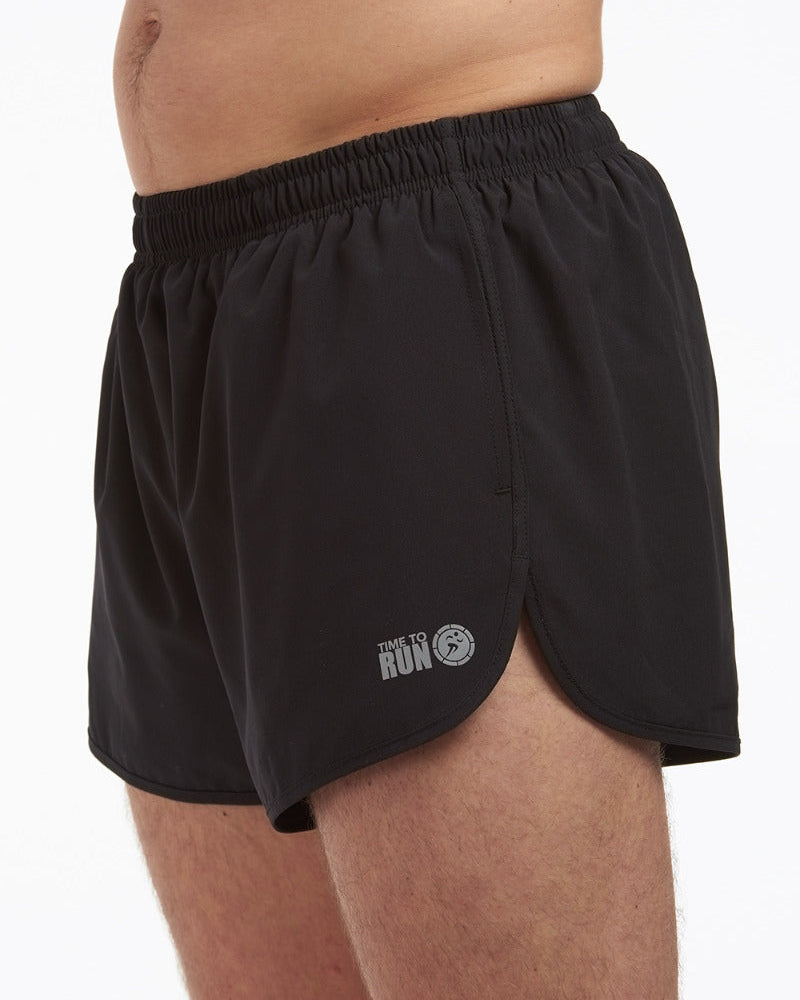
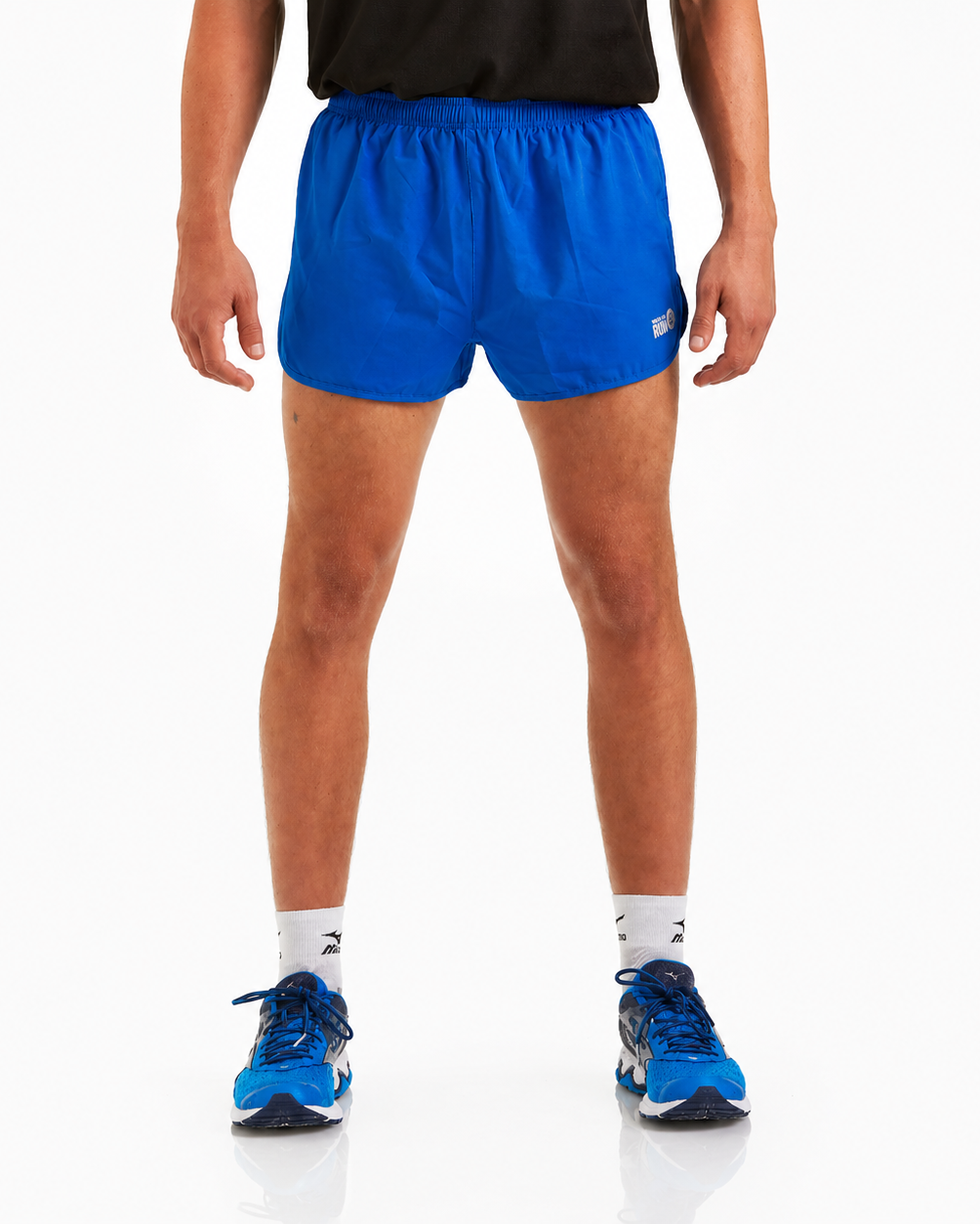
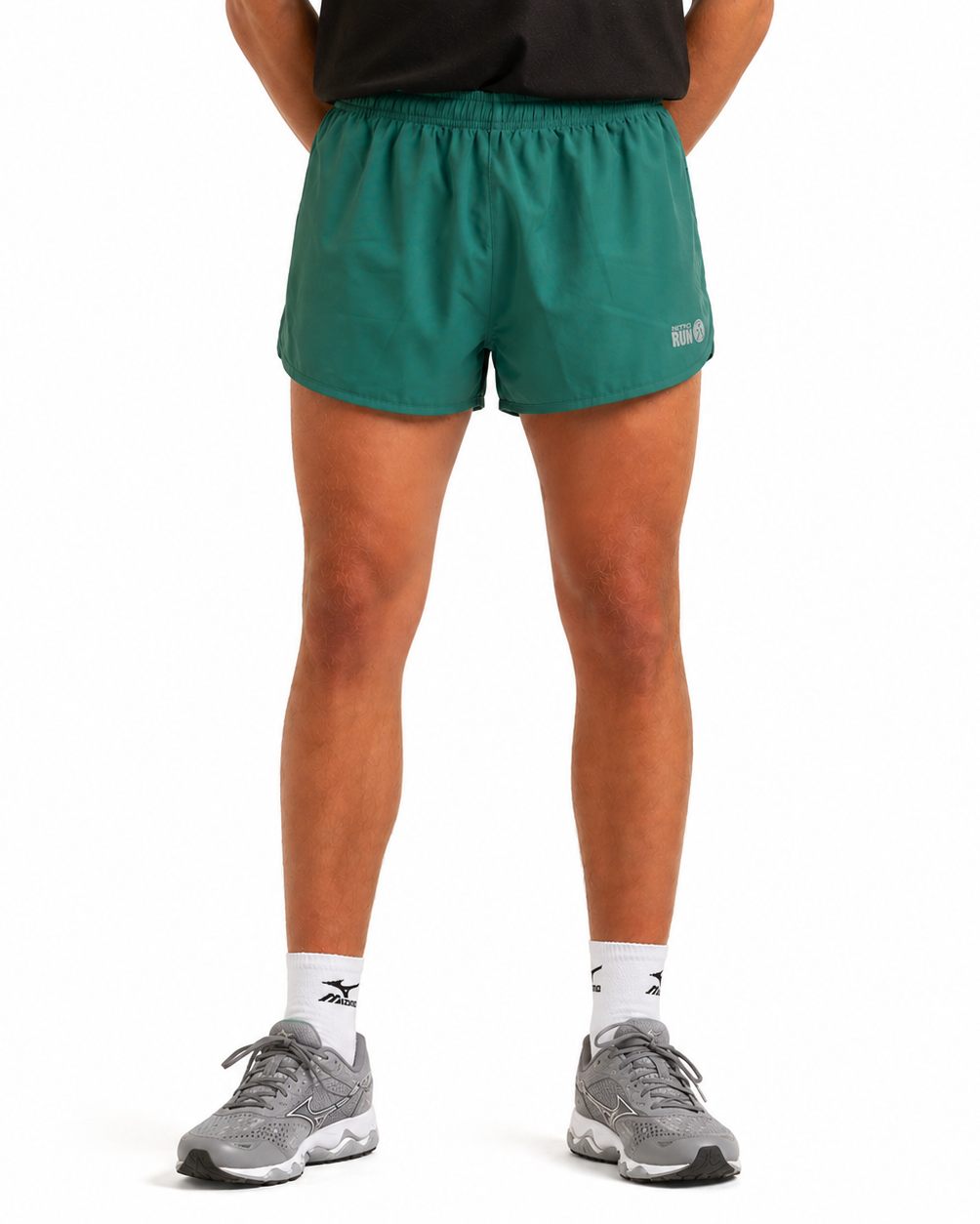
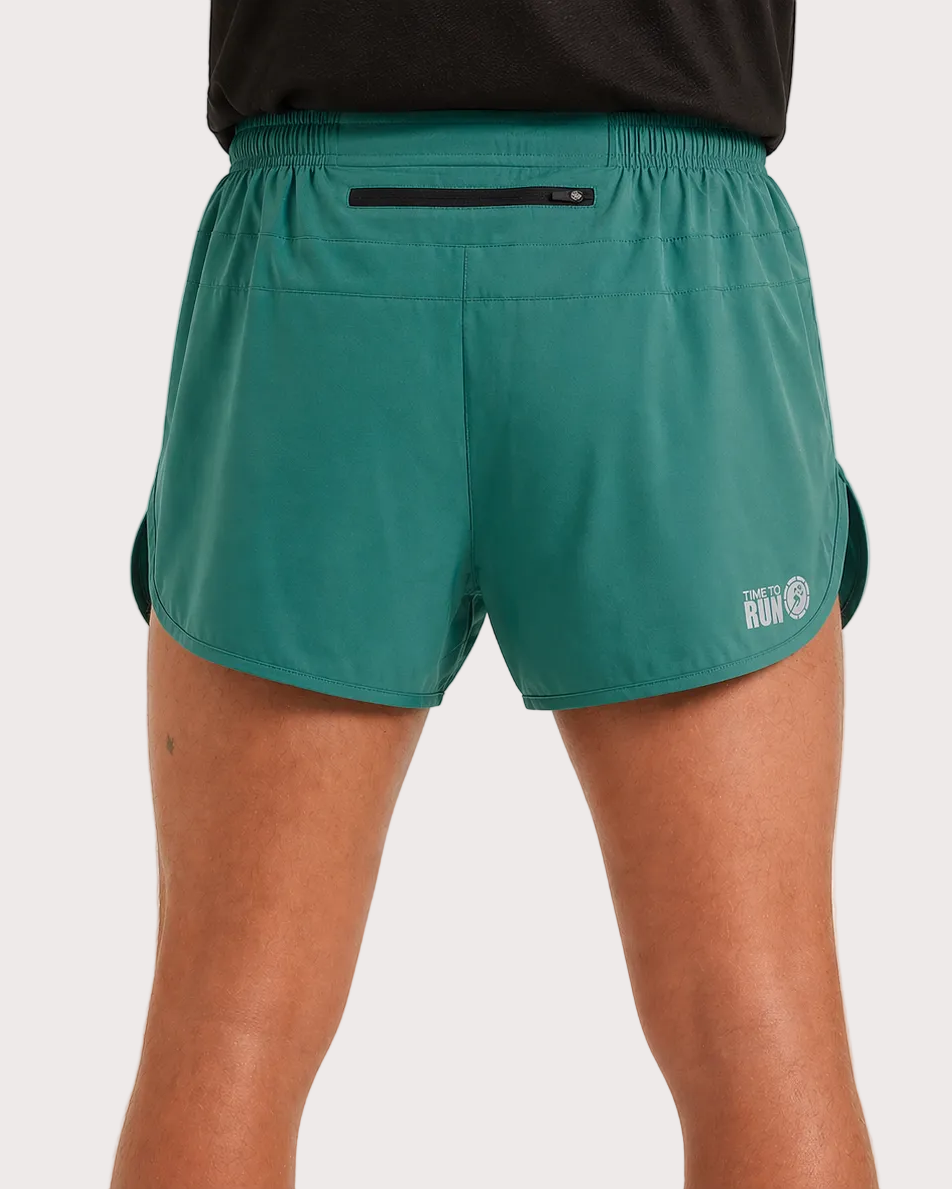
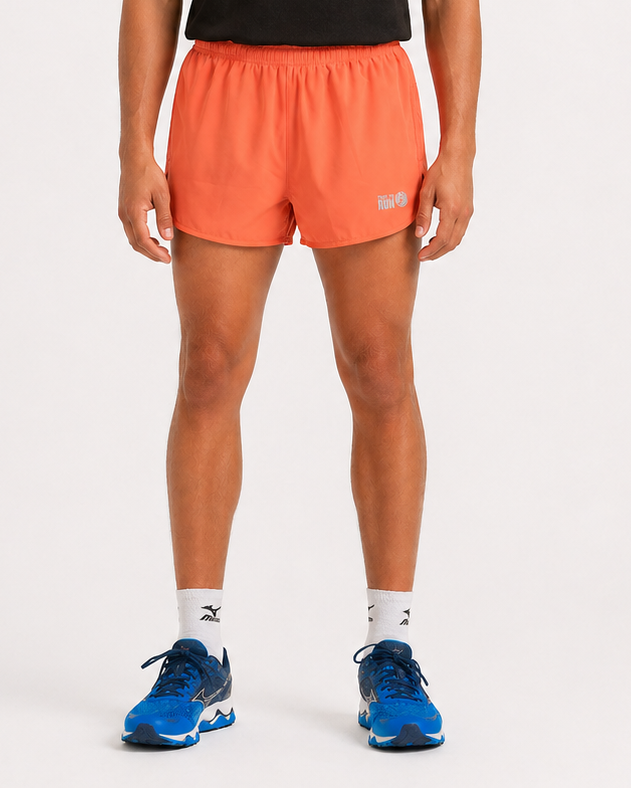
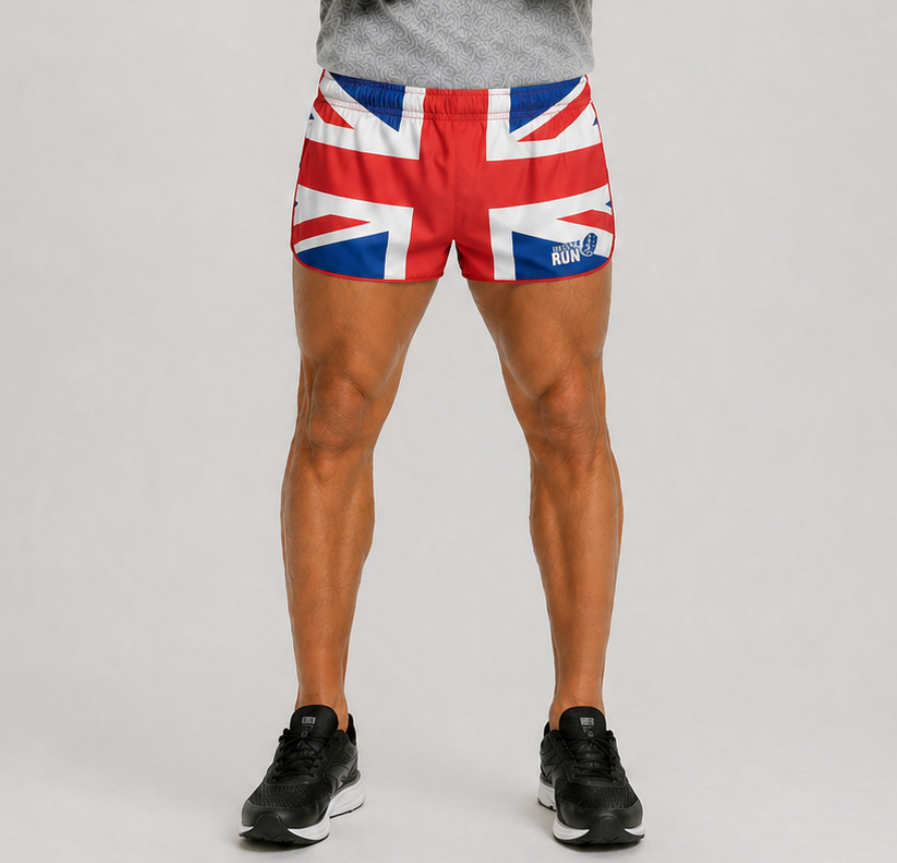
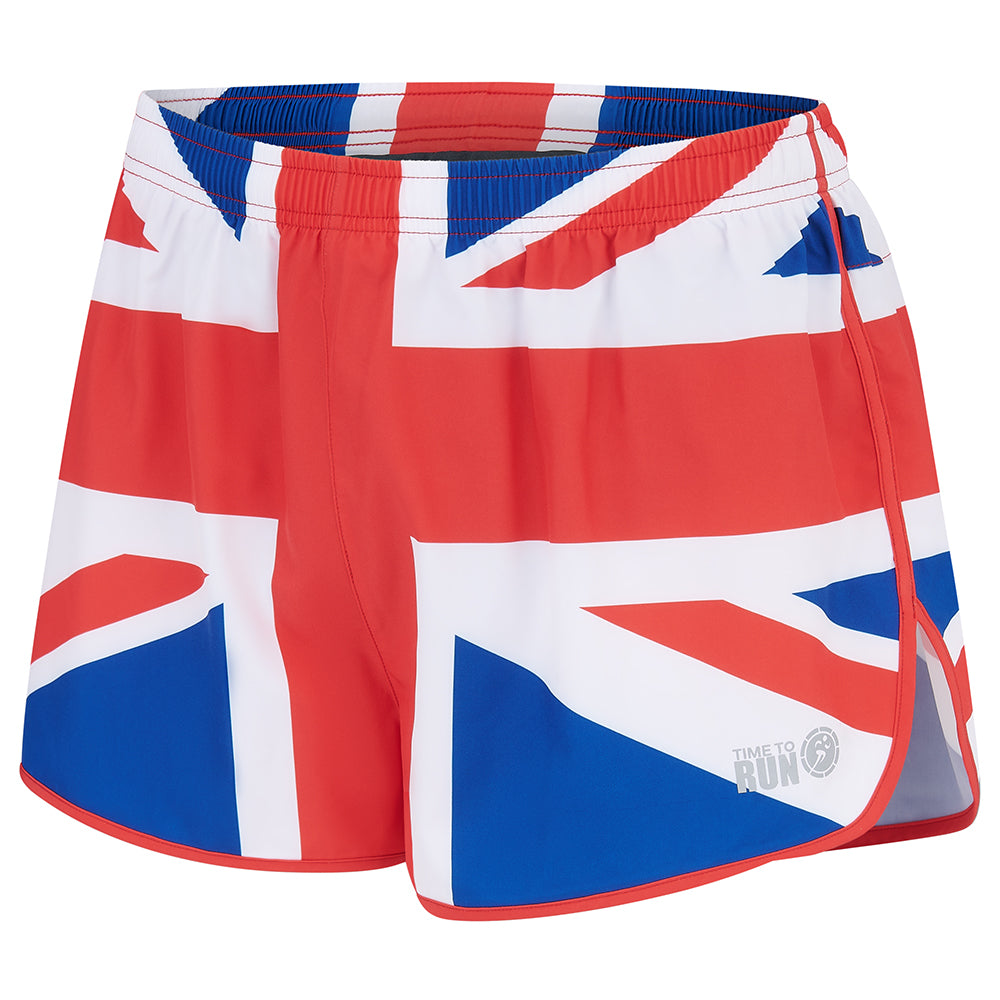
These feature high side splits for maximum mobility. They are popular among competitive runners and sprinters. Split shorts are extremely lightweight and ideal for speed work, race days and hot weather sessions. They provide a minimal feel that encourages a full natural stride.
V Notch Shorts
These are the most common style and work well for all types of running. A small V shaped cut at the side seam improves flexibility while still offering good coverage. They strike a balance between performance and comfort, making them a reliable choice for beginners and experienced runners.
Compression Shorts
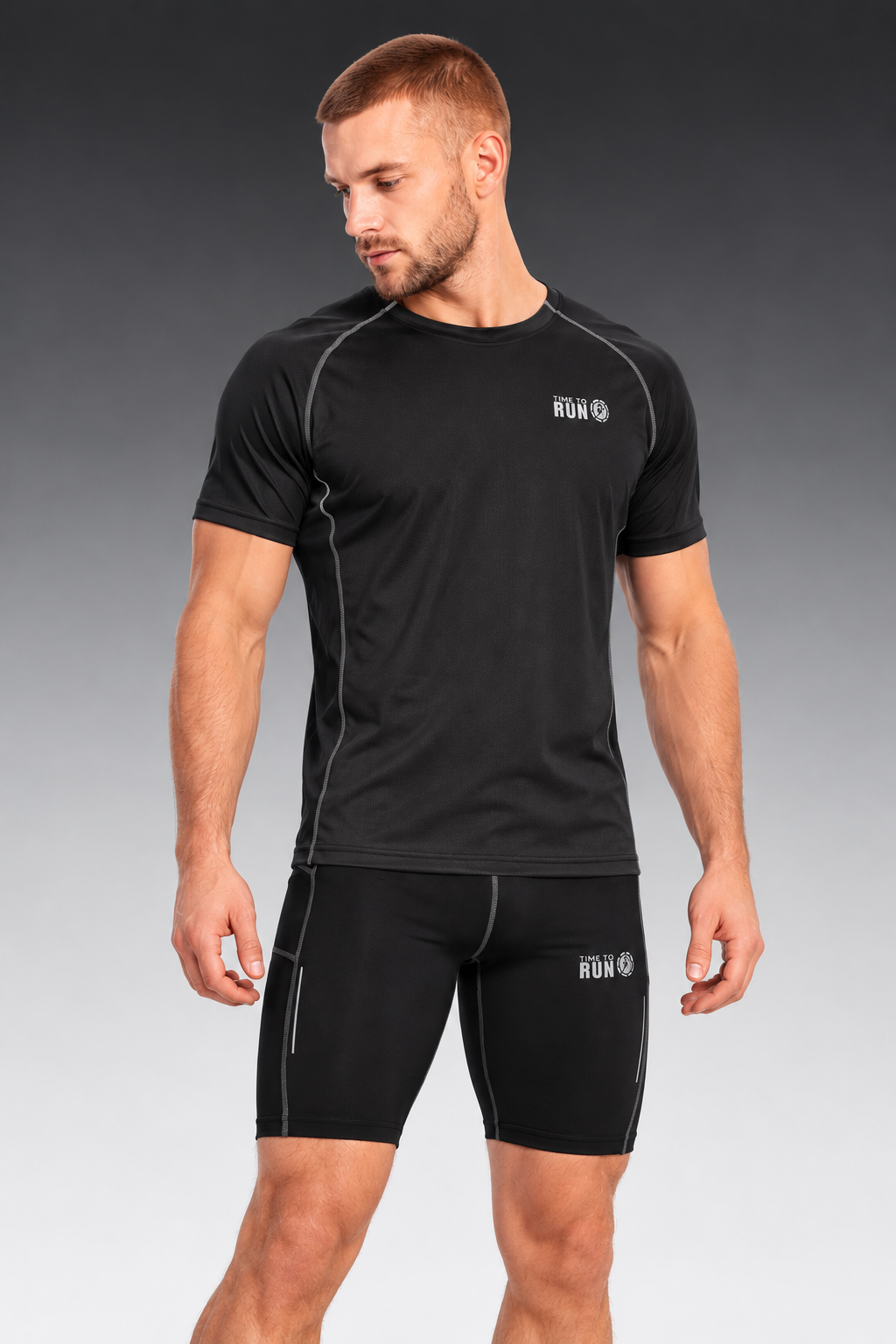
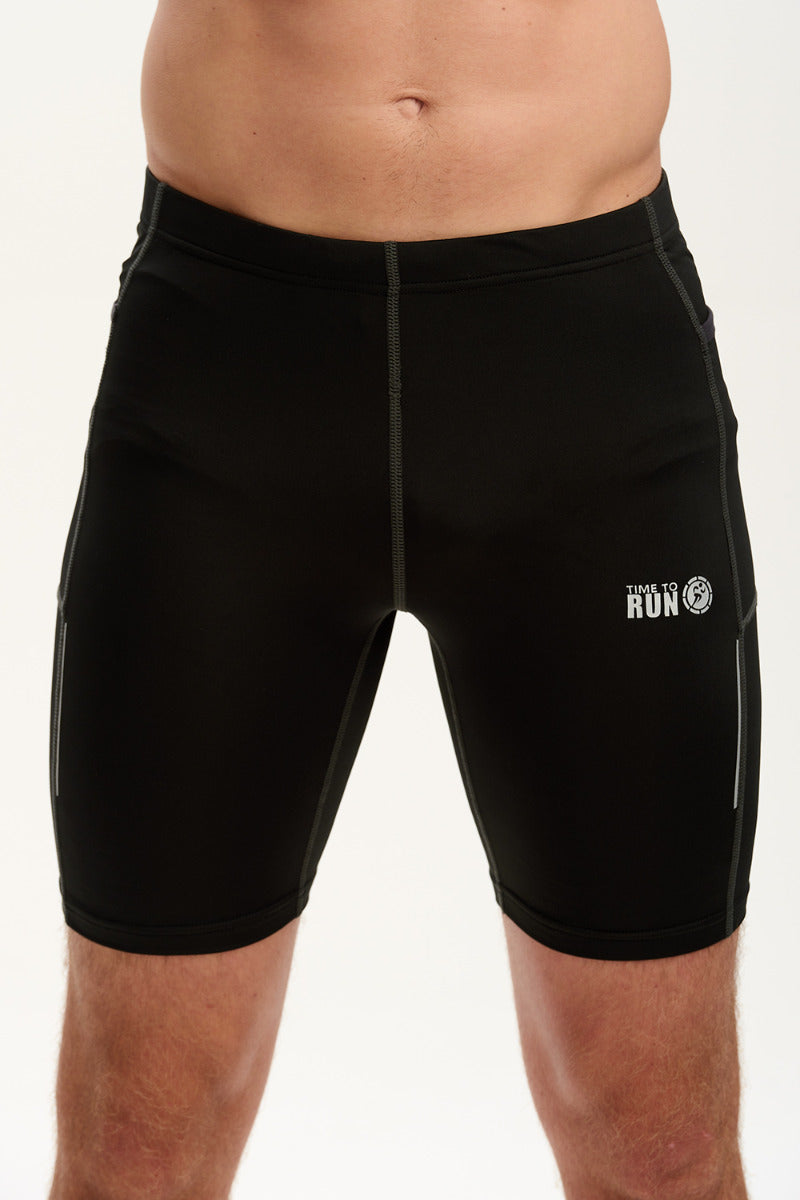
Compression shorts fit close to the skin and support the muscles during intense exercise. They can be worn alone or layered under a looser short. Many runners wear compression shorts for long distance training because they help reduce fatigue and minimise chafing. They also dry quickly and stay firmly in place.
Hybrid Shorts
Hybrid options combine an outer short with an inner compression layer. This two in one system provides support while maintaining a traditional athletic look. They are great for mixed workouts involving running, strength training and stretching. Many hybrid shorts include extra storage pockets for essentials.
How to Choose the Right Pair for Your Training
Your ideal pair of running shorts depends on how, where and how often you run.
If you regularly run long distances, choose lightweight shorts with moisture wicking fabric and a comfortable liner. For trail running, look for durable fabrics, secure pockets and a slightly longer length for protection. If you train at the gym as well as outdoors, hybrid shorts offer versatility and modesty. For race days or interval training, split shorts give you total freedom of movement and reduce weight.
Fit is also essential. The shorts should feel secure without restricting your stride. The waistband should stay in place without digging into the skin. If possible, test a few different lengths to find your preference. Every runner’s body is different and comfort plays a major role in performance.
Seasonal Considerations
Your running conditions change throughout the year and your clothing should adapt to them. In warmer weather, choose breathable fabrics and shorter lengths to maximise airflow. Lighter colours reflect heat and help regulate body temperature.
In cooler conditions, pair longer running shorts with a compression layer underneath. This combination provides warmth and maintains mobility without adding bulk. Some runners even choose wind resistant shorts for extra protection during autumn and winter sessions.
Care and Maintenance
Running shorts will last longer with the right care. Always follow the washing instructions on the label. Most performance fabrics should be washed on a cool setting and left to air dry. Avoid fabric softener because it can damage moisture wicking technology. Check drawcords and seams regularly to ensure the shorts stay secure and comfortable.
Final Thoughts
Men’s running shorts may seem like a simple purchase but choosing the right pair has a meaningful impact on your comfort and performance. Focus on fabric, fit, length and features that match your running style. High quality shorts help you stay dry, reduce friction and support every stride. Once you find a pair that feels right, you will notice the difference in your runs immediately.